|
Last Modified on Feb 16, 2026
|
If you’ve been charged with DUI in Hawaii, you may be subject to a revocation of your driver’s license. However, if you have received a notice that your license has been revoked, you may still be able to maintain certain driving privileges. A timely response to an appeal to your revocation can result in the option to install an ignition interlock device (IID). Our Hawaii Ignition Interlock Device Guide can help you navigate the process.
Hire a DUI Lawyer and File an Appeal
First and most importantly, to improve your chances of being allowed to use an ignition interlock device, it is recommended that you notify a DUI attorney about your DUI case as soon as you can. Your attorney can file a request for an appeal of the revocation of your license on your behalf if your license is revoked and meet the hard deadlines the process requires.
Once the request is submitted, the Administrative Driver’s License Revocation Office (ADLRO) will schedule a hearing at the Honolulu location in Bishop Square at 1001 Bishop Street.
What Is an Ignition Interlock Device?
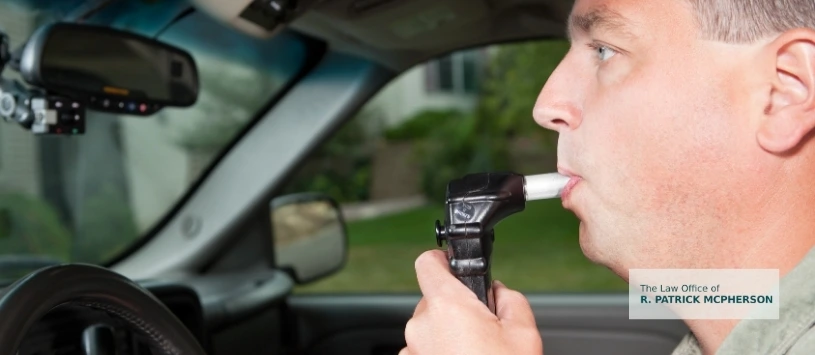
Often called an IID, an ignition interlock device is a breathalyzer device used by local law enforcement in Hawaii that must be installed in a vehicle. The driver is required to blow into the device to check for alcohol. If the IID detects illegal amounts of alcohol in the driver’s breath, it then prevents the car from starting. Therefore, the driver is prohibited from driving the car while under the influence.
An IID can also perform rolling tests, in which the driver’s breath is repeatedly tested while driving. Understanding how an IID works is crucial when appealing your license revocation, as your driving privileges will still be limited with an IID in the car.
IID Compliance and Maintenance in Hawaii
Since IIDs became widely used, they have stopped more than 26 million attempts by drivers to drink and drive. However, they are only effective when used properly with proper service and maintenance.
It’s important to note that only certified vendors in Hawaii may install an IID on your vehicle. Make sure you retain all receipts, service records, and other documents that are related to your IID. If you get stopped, you may be asked to present them. IIDs also need to be calibrated periodically. If you fail to calibrate and follow other requirements for maintenance as instructed by the IID provider, you could be subject to penalties and loss of driving privileges altogether.
One of the ways an IID is effective is by monitoring and reporting usage to the court. Make sure to follow all the instructions provided to accurately report usage. If report requirements are not met, you can lose your IID and restricted driving privileges. You are responsible for all costs of the IID and all maintenance while you have it installed on your car.
How Our Hawaii DUI Attorney Can Help
There is one law firm in Hawaii that is more familiar with Hawaii ignition interlock laws than most, and that is the Law Office of R. Patrick McPherson. Our founding attorney has been an advocate for IID legislation and has even contributed to drafting IID laws here in Hawaii. His knowledge of DUI and IID laws is unlike that of any other lawyer in the area. Let us use our skills and experience to advocate for your license revocation today.
Connect With an Experienced Hawaii DUI Today
When you’re looking to contest a license revocation and restore your driving privileges in Hawaii, the team at the Law Office of R. Patrick McPherson can help. Contact our office today to discuss your situation and learn more about our DUI services.