Drivers everywhere are expected to follow the rules of the road, and doing so protects public safety and allows drivers to maintain a clean driving record. When an individual faces allegations of wrongdoing, such as a charge of operating a vehicle under the influence of an intoxicating substance in Hawaii, it can create significant legal stress. A strategic Hawaii DUI motion to suppress evidence is one approach that can help a driver stand up to accusations.
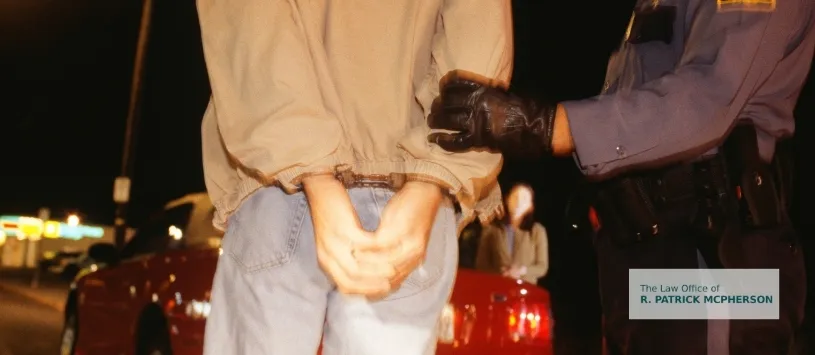
When law enforcement officers initiate a traffic stop or execute an arrest, they have to follow established constitutional principles and legal standards. With a motion to suppress evidence, you and a lawyer you’re partnered with can challenge evidence obtained through unlawful searches, during improper stops, or with compromised testing protocols. Your attorney can also help you understand how court proceedings evaluate police interactions in general.
What’s Happened on Hawaii’s Roads in Recent Years
The Department of Transportation in the Aloha State is asking road users to stop risky behaviors like driving under the influence, especially after concluding that 106 people died on Hawaiian roads in 2025, as of October. This total was an increase, as 2024 saw 102 traffic deaths.
While traffic fatality figures explain why there’s increased police enforcement across Oahu, it’s important to remember that heightened traffic vigilance shouldn’t override constitutional safeguards. If an officer lacks reasonable suspicion or probable cause, any physical or testimonial evidence gathered during the encounter may be subject to court exclusion.
Why a Motion to Suppress Matters in a DUI Case
The proper way to initiate a motion to suppress in a DUI case or any type of case is described in Hawaii’s Rules of Penal Procedure. It’s a formal legal request submitted to the court, and it asks the judge to exclude specific evidence from trial. The court can rule that the following evidence can’t be used in a case if law enforcement officers obtained it through unlawful searches or improper stop procedures:
- Breath samples
- Field test results
- Statements from the defendant
Constitutional Grounds for Suppressing Evidence in Hawaii DUI Cases
Under Hawaii state law and the Fourth Amendment of the United States Constitution, individuals remain protected against unreasonable seizures or searches. This is important, considering it’s not uncommon for DUI cases in Hawaii and other states to involve procedural mistakes made during the initial investigation, traffic stop, or field testing administration.
To establish a successful motion to suppress, defense counsel reviews whether the officer maintained legitimate grounds to command a motor vehicle stop. Key evidence subject to exclusion includes:
- The initial stop. Police officers must observe specific driving behaviors or traffic violations before signaling a driver to pull over. Stops based on unverified hunches or unlawful profiling are invalid.
- Field sobriety test results. Standardized field sobriety tests conducted along Oahu roadways require precise administration. Factors such as uneven pavement, passing highway traffic, or distracting weather conditions can compromise test validity.
- Chemical testing and calibration records. Breathalyzer devices require periodic calibration and strict adherence to mandatory observation periods to make sure that the defendant doesn’t burp, vomit, or introduce any substance into their mouth that could alter the results.
- Statements made without Miranda Warnings. Custodial interrogation statements obtained after an arrest without proper constitutional warnings may be excluded from trial proceedings.
When to Hire a DUI Lawyer in Oahu
Navigating the complexities of Hawaii Revised Statutes § 291E requires a detailed understanding of court procedures and evidentiary rules. Defendants can gain clarity with help from an attorney.
Deciding to hire an experienced DUI lawyer early in the legal process allows for a thorough review of police body camera footage, machine calibration logs, and officer statements. An attorney can evaluate whether law enforcement compromised your rights and file formal motions under Rule 12 of the Hawaii Rules of Penal Procedure to request that the judge exclude compromised evidence before trial begins.
Turn to The Law Office of R. Patrick McPherson for Support
The Law Office of R. Patrick McPherson provides focused defense representation for people facing traffic allegations. Attorney R. Patrick McPherson, who has more than two decades of experience advocating for drivers’ rights across Oahu, leads our firm.
Even though past case resolutions don’t influence future outcomes, our firm brings accuracy to every case. We have comprehensive legal knowledge of Hawaiian statutory frameworks, local law enforcement procedures, and the processes followed in the First Circuit Court, located at 777 Punchbowl Street in Honolulu. Our team is dedicated to completing extensive reviews to determine the facts of your case, point out violations, and protect your constitutional rights.
FAQs
How Long Does a DUI Stay on Record in Hawaii?
A DUI stays on your official driving record in Hawaii permanently and cannot be expunged under current state statutes. For sentencing purposes, when it comes to subsequent offenses, Hawaii law utilizes a five-year lookback window. Still, recent legislative revisions have extended lookback periods for certain habitual offender calculations under state law.
Can I Turn Around at a DUI Checkpoint in Hawaii?
Yes, you can turn around at a DUI checkpoint in Hawaii or avoid a DUI checkpoint as long as you execute a lawful driving maneuver without violating traffic regulations. However, making an illegal U-turn, speeding, or driving erratically near a checkpoint could give law enforcement officers valid reasonable suspicion to initiate a traffic stop immediately.
Is Hawaii Strict About DUIs?
Hawaii can be perceived as strict about DUIs when you consider Hawaii DUI laws and consequences. Even for first-time offenders, DUI penalties include mandatory license revocations, installation of ignition interlock devices, hefty fines, community service, mandatory alcohol assessment programs, and potential jail sentences. The state actively prosecutes operating a vehicle under the influence of intoxicants to deter impaired driving.
Can I File a Motion to Suppress Evidence Without a Lawyer in Hawaii?
Yes, you can file a motion to suppress evidence without a lawyer in Hawaii, but it is not typically recommended that you do so. A motion to suppress requires knowledge of applicable law, strict adherence to court deadlines, and appropriate documentation. It is wise to seek legal counsel in order to avoid costly mistakes.
Protect Your Legal Rights in Hawaii Today
If you or a loved one faces DUI charges in Honolulu, or anywhere in Oahu, addressing the evidence gathered by law enforcement is a crucial first step. Excluding compromised breath tests or unlawful traffic stops can fundamentally alter the direction of a case. Contact The Law Office of R. Patrick McPherson today to schedule an initial consultation and explore your defense options under Hawaii law.